
Solitaire Real Money-Win Money
ASDGameCard
4.79.88K Reviews
- Version
- 2.2
- Installs
- 1.00M
- Age Rating
- Mature 17+
Screenshots
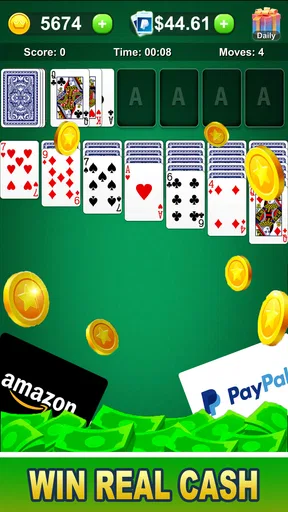
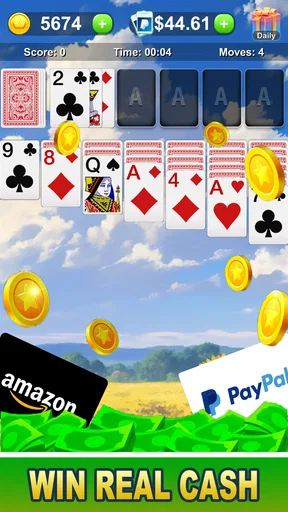
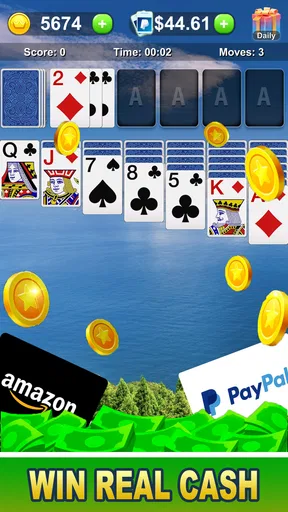
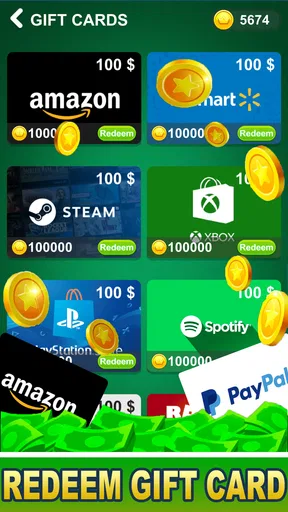

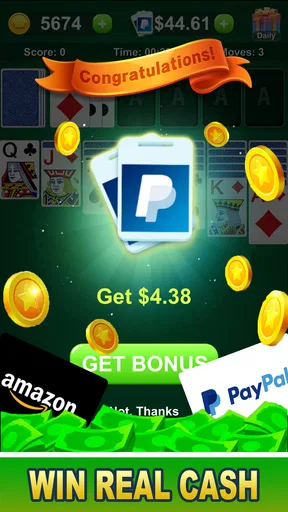
Our Review of Solitaire Real Money-Win Money
 Analysis by Appyee
I approached Solitaire Real Money-Win Money expecting a familiar card game with a cash-focused twist, and that is exactly where its appeal lies. Developed by ASDGame, this free Android solitaire title keeps the basic attraction of classic solo card play while placing more attention on the possibility of cash prizes. My overall view is positive but cautious: it is easy to understand, convenient for short sessions, and clearly aimed at players who enjoy solitaire more when there is something extra at stake. At the same time, the money angle changes the experience. It is no longer just a quiet way to pass time; it asks you to think about competition, eligibility, and responsible play.
The game belongs to the card category and carries a Mature 17+ rating, which is important context before installing it. Its store summary presents the central idea plainly: play classic solitaire and enjoy the possibility of real cash. I would not recommend treating that promise as a guaranteed source of income. I see it as a game first, with prize-oriented mechanics as an added attraction, and that distinction makes a big difference to how enjoyable it feels.
How the solitaire experience feels in everyday use
The strongest part of the concept is its familiarity. If you already know the basic rhythm of solitaire, you do not need to learn a complicated ruleset before starting. You can open the game during a short break, work through a deal, and put it down without having to remember a long campaign or manage a large collection of cards. That makes it a natural fit for small pockets of free time rather than long, uninterrupted gaming sessions.
I especially like this format for moments when I want something more active than scrolling but less demanding than a full strategy game. A short solitaire round gives me a clear task: examine the layout, uncover useful cards, and decide which move preserves the most options. The decisions are simple on the surface, yet a careless move can close off a useful sequence. That balance gives the game more staying power than a purely automatic card animation.
The familiar structure also makes the app approachable for people who do not normally consider themselves mobile gamers. There is no need to study character abilities, memorize maps, or understand a complicated economy. The main challenge comes from reading the board and making sensible moves. For an older relative who already plays solitaire on a computer, or for someone moving from a physical deck to a phone, that low learning barrier is a genuine advantage.
Still, the cash-prize framing changes the emotional temperature. In ordinary solitaire, an unsuccessful deal is easy to shrug off. Here, the idea of competing for money can make each decision feel more important. Some players will enjoy that extra tension, while others may find it takes away from the relaxing quality that attracts them to solitaire in the first place. I would decide which of those experiences I want before spending much time with the app.
Why the money angle needs a careful reading
The phrase “real money” naturally attracts attention, but it should not be interpreted as a simple promise of dependable earnings. Prize-based games can involve conditions around participation, eligibility, withdrawals, or the way contests operate. Those details matter more than the headline, so I would read every in-app explanation carefully before entering anything that involves a financial commitment or personal information.
My practical advice is to begin with the free experience and understand the game flow first. Do not make a deposit merely because a prize is mentioned, and do not increase your spending to recover a disappointing result. A sensible personal limit is more useful than chasing a win. The game is best treated as entertainment with a possible reward, not as a substitute for work, savings, or a reliable side income.
This is also why the Mature 17+ label should not be ignored. Even if the card rules are suitable for a wide range of players, the cash-oriented setting introduces an adult responsibility that traditional offline solitaire does not have. I would keep the app away from children and make sure younger users do not have access to payment methods or prize-related screens.
Small decisions that improve a solitaire session
One useful habit is to avoid making the first available move automatically. I prefer to scan the whole layout, identify which face-down cards might be uncovered, and compare that benefit with the value of moving a visible sequence. The most attractive move is not always the best move. Preserving flexibility often matters more than building a neat-looking stack immediately.
A second practical tip is to pay attention to empty spaces. Creating an open column can be powerful because it gives you room to move a longer sequence, but filling that space too quickly can remove the advantage. I try to treat an empty column as a resource rather than simply as a gap waiting for a card. That way, I am less likely to waste it on a move that produces no new information.
I also find it helpful to separate game decisions from prize decisions. First, I ask whether I understand the board and can play carefully. Only after that would I consider whether a particular contest or cash-related option is appropriate for me. Mixing those questions together can lead to rushed choices, especially when a timer, ranking, or reward is involved. Keeping them separate makes the experience easier to control.
These habits are useful because they apply directly to the kind of attention solitaire rewards. They are not tricks for guaranteeing a result. Some deals will remain difficult, and no strategy removes the element of chance. The benefit is that they reduce avoidable mistakes and make the outcome feel connected to thoughtful play rather than impulse.
Where this app stands against ordinary solitaire alternatives
Compared with a standard solitaire app, this game’s main difference is its prize-oriented identity. A conventional alternative is usually better when I want a quiet, low-pressure session with no financial theme. It may also feel more appropriate for children, family use, or anyone who wants solitaire to remain completely separate from competition and money.
On the other hand, a basic offline version can feel limited for players who want more motivation than simply completing another deal. The cash-prize focus gives this app a stronger sense of purpose for adults who enjoy competitive pressure. It can make a familiar format feel more engaging, particularly for someone who has already grown tired of playing solitaire with nothing at stake.
The trade-off is that the money element becomes part of the decision about whether to play. If I want a game for winding down before sleep, I would probably choose a calmer alternative. If I want a familiar card challenge during a break and I am comfortable evaluating prize conditions responsibly, this app has a clearer reason to choose it over a plain solitaire clone.
It is also different from broader card-game collections. Those apps may offer several formats, multiplayer tables, or a wider variety of rules. This title is more focused: its identity comes from classic solitaire and the possibility of cash rewards. That focus is a strength for a solitaire fan, but it will not satisfy someone looking for poker, rummy, trick-taking games, or a large social card community.
Performance expectations and practical setup
The game is available for Android devices running at least Android 5.1, which makes it accessible to people using older phones as well as newer models. That broad compatibility is useful if you keep a secondary device for casual games or do not upgrade frequently. I would still make sure the phone has enough free storage and a stable connection when opening prize-related areas, because cash-focused functions are more likely to depend on current account or contest information than a completely offline card deck would.
The current version is 2.2. I would keep the app updated when possible, especially for a game involving accounts, contests, or prize handling. Updates can matter not only for visual polish but also for compatibility and smoother access to the parts of the app that are more sensitive than ordinary card animations.
Because the game is free to install, trying the basic experience carries less initial friction than buying a premium card game. That does not mean every aspect of using it is automatically cost-free, so I would distinguish between downloading the app and taking part in any money-related activity. Before confirming a payment or entering a contest, I would check the displayed terms in the app and make sure the choice fits my own budget.
Who will get the most from it
I think the best audience is an adult solitaire player who already likes the classic format and wants a more competitive reason to return. This person should enjoy short, focused rounds, be comfortable with the Mature 17+ context, and understand that a prize-based game is entertainment rather than guaranteed income. For that audience, the familiar rules reduce the learning curve while the reward angle adds tension.
A realistic everyday use case would be a commuter waiting for a delayed train. Instead of opening a large game that requires a long session, the player can use that spare time to work through a solitaire board. The important difference is mental: the player can stop after the round without losing a complicated story or team position. If the cash element motivates careful play, it may make an otherwise ordinary wait feel more engaging.
Another suitable situation is a short afternoon break for someone who wants a single-player activity. Solitaire does not require coordinating with friends or finding opponents online, and the rules are familiar enough to return to after several days away. I would still avoid playing when distracted, especially if a contest has a financial component. A noisy environment and rushed decisions are a poor combination for a game where one overlooked card can change the entire board.
I would recommend skipping it if your main goal is a completely relaxing, no-stakes card game. A traditional solitaire app is likely to be a better match because it removes the pressure and keeps the focus on the puzzle. I would also steer clear if you are prone to chasing losses, easily tempted by prize language, or looking for dependable earnings. The app’s central attraction would become its biggest drawback in those situations.
It is not the right choice for someone seeking a rich multiplayer experience, a deep progression system, or a broad selection of card games. Its appeal is narrower and more specific. You choose it because you want solitaire with a stronger reward-focused atmosphere, not because it replaces every type of card entertainment on a phone.
What the public response suggests
The app has reached over one million installs and holds a 4.7 average from around eighty-two thousand ratings, with roughly ten thousand written reviews. Those figures show that the concept has found a substantial audience, and the rating suggests that many players enjoy the combination of familiar card play and prize-oriented motivation.
I would still treat popularity as a starting point rather than a guarantee. A high average can tell me that the overall experience works for many people, but it cannot decide whether I personally enjoy cash-focused play. I would look through recent user comments for practical impressions about the current version, especially comments concerning game flow, account handling, and the clarity of prize information. Those are the areas most likely to affect day-to-day satisfaction.
It is also worth remembering that solitaire preferences vary widely. Some players care most about a clean, peaceful interface, while others want competition and rewards. The strong reception indicates that this app serves the second group well, but it does not make the first group wrong for choosing a simpler alternative.
My final recommendation
After considering the complete experience, I see Solitaire Real Money-Win Money as a focused card game with a clear audience. Its familiar solitaire foundation makes it easy to start, its free entry lowers the barrier to trying it, and the cash-prize theme gives experienced players an extra reason to pay attention. ASDGame has chosen a straightforward idea rather than a complicated collection of systems, and that focus is the app’s most convincing strength.
The limitation is equally clear: the money angle demands more caution than ordinary solitaire. I would not install it expecting easy earnings, and I would not let prize language decide how much time or money I spend. The best approach is to enjoy the card challenge first, understand the rules and conditions in the app, and keep participation within a firm personal limit.
My verdict is that it is worth trying for adults who genuinely like solitaire and want a more competitive, reward-centered version of it. It is not my first pick for children, quiet bedtime play, or anyone who wants a completely consequence-free card game. Choose it for the solitaire challenge, not for the promise of effortless cash, and the experience makes considerably more sense.
In that context, the game earns its place among mobile card options. It does not reinvent solitaire, but it gives the classic format a sharper purpose and a different kind of tension. For the right player, that is enough to make a familiar deck feel fresh again; for everyone else, a conventional solitaire app will probably be the more comfortable choice.
Verdict
Strengths of Solitaire Real Money-Win Money
- Simple solitaire rules make it easy for beginners to start playing.
- Short rounds fit well into quick breaks or casual sessions.
- Daily challenges can add variety beyond standard games.
- Clear win-or-lose outcomes keep each match easy to follow.
- Cash-prize gameplay may appeal to competitive players seeking rewards.
Limitations of Solitaire Real Money-Win Money
- Cash tournaments may be unavailable in some countries or regions.
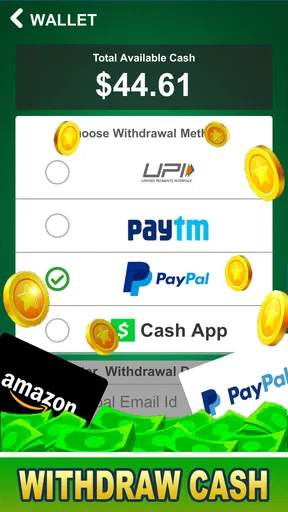
- Withdrawals can require identity verification and payment details.
- Entry fees may lead to financial losses, even with skilled play.
- Ads, promotions, or notifications may interrupt the overall experience.
- Real-money features may require users to meet minimum age limits.
Similar Picks in This Category
View All
Solitaire - Classic Card Games
MobilityWare4.6

UNO!™
Mattel163 Limited4.3

Spider Solitaire: Card Games
MobilityWare4.6

Solitaire.com - Classic Cards
Tripledot Studios Limited4.7

Plants vs. Zombies™ Heroes
ELECTRONIC ARTS4.1

Hearthstone
Blizzard Entertainment, Inc.4.1
Frequently Asked Questions
What is Solitaire Real Money-Win Money, and how does it work?
Solitaire Real Money-Win Money is a mobile card game based on familiar solitaire gameplay, usually with competitive events, points, rankings, or prize-related features. After installing it, players generally complete solitaire rounds, try to finish quickly and accurately, and may compete against other users or participate in promotional contests. The exact earning and contest system can vary by location and app version.
Can I really win cash by playing Solitaire Real Money-Win Money?
The app may advertise opportunities to win real money, but winnings are not guaranteed and depend on the available tournaments, your performance, eligibility, and the rules in your region. Some rewards can be promotional bonuses rather than withdrawable cash. Before playing, carefully review the prize conditions, entry requirements, minimum withdrawal amount, and any restrictions that apply to your account.
Is Solitaire Real Money-Win Money free to download and play?
The application may be free to download, but that does not necessarily mean every feature is free. Real-money tournaments or competitive events can require an entry fee, virtual currency, or an in-app purchase, while other modes may be supported by advertisements. Check the store listing and the in-game payment screens before confirming any transaction, especially if children use the device.
How do withdrawals and payments work in Solitaire Real Money-Win Money?
Withdrawal methods, processing times, minimum balances, identity checks, and availability can differ depending on the country and the current version of the app. You may be asked to verify personal information before receiving a payout. Read the payment policy carefully and confirm whether fees, tax responsibilities, bonus restrictions, or unsupported payment services could affect the amount you are able to withdraw.
Is Solitaire Real Money-Win Money available everywhere and safe to use?
Real-money gaming applications are often restricted in certain countries, states, or age groups, so availability should be confirmed through the official Google Play or App Store listing. Use only official download sources, review the permissions requested, and avoid modified versions or websites promising guaranteed winnings. Remember that results are based on gameplay and chance-related promotions, so play responsibly and never spend more than you can afford to lose.
Play our best games!


